The federal government is expected to issue $2,000 payments in February 2026 to certain eligible individuals. As news spreads, many people are looking for clear and simple information about who qualifies, how the money will be delivered, and what to do if a payment does not arrive. Understanding the process in advance can help prevent confusion and avoid unnecessary delays.
Who May Qualify for the Payment
Eligibility for the February 2026 payment depends on rules set by the agency responsible for distributing the funds. In many cases, qualification is based on income level, tax filing status, or current participation in federal benefit programs. Individuals receiving Social Security benefits, certain veterans’ benefits, disability payments, or low- to moderate-income tax refunds may fall within the qualifying categories.
यह भी पढ़े:
 How Fast Is the IRS Paying 2026 Tax Refunds? Timeline and Tracking Guide | IRS Refund 2026
Most agencies review adjusted gross income from the most recent tax return or use benefit records already on file. Because of this, it is important to keep your tax documents, Social Security statements, or benefit letters available in case verification is needed. If your income has changed significantly since your last filing, updated documentation may be required.
How Payments Will Be Sent
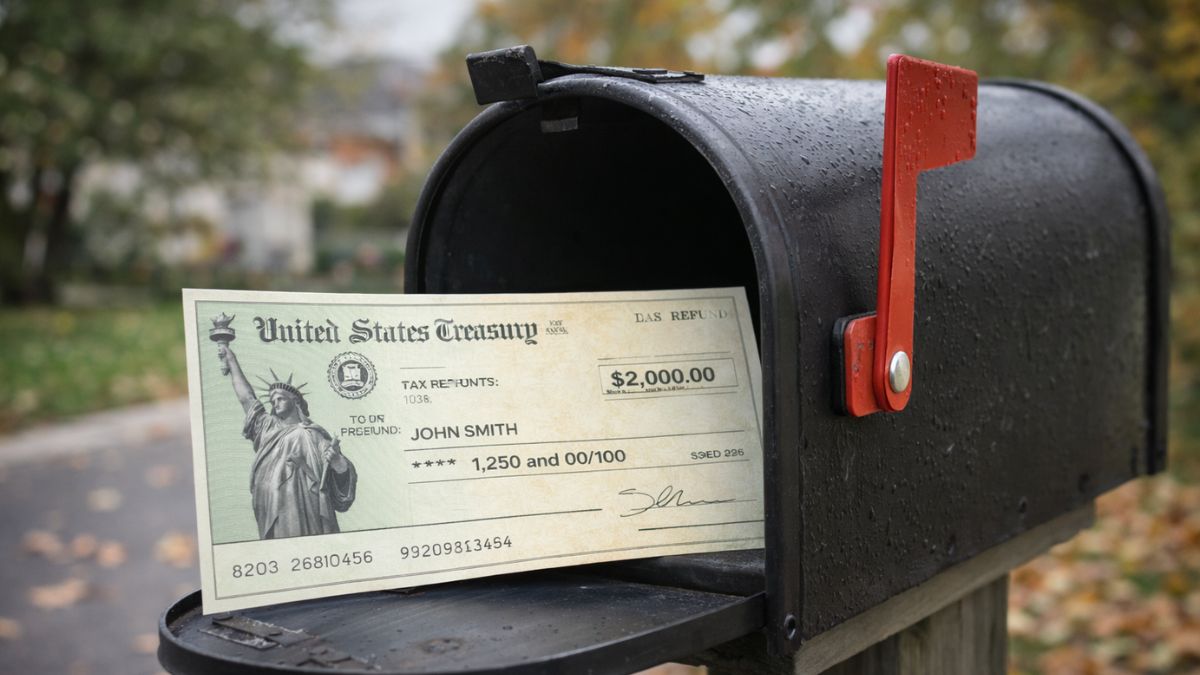
Payments may be delivered through direct deposit, mailed paper checks, or prepaid debit cards. The delivery method usually depends on what information the agency already has on record. Direct deposit is typically the fastest and most secure option. Individuals who have updated bank information are more likely to receive funds earlier than those waiting for mailed checks.
यह भी पढ़े:
 2026 IRS $2,000 Payment Timing: How One Detail Could Affect Your February Federal Deposit
If you have changed your address or bank account recently, updating your details with the appropriate agency is very important. Incorrect information can result in returned deposits or checks sent to the wrong location.
What to Do if Your Payment Is Delayed
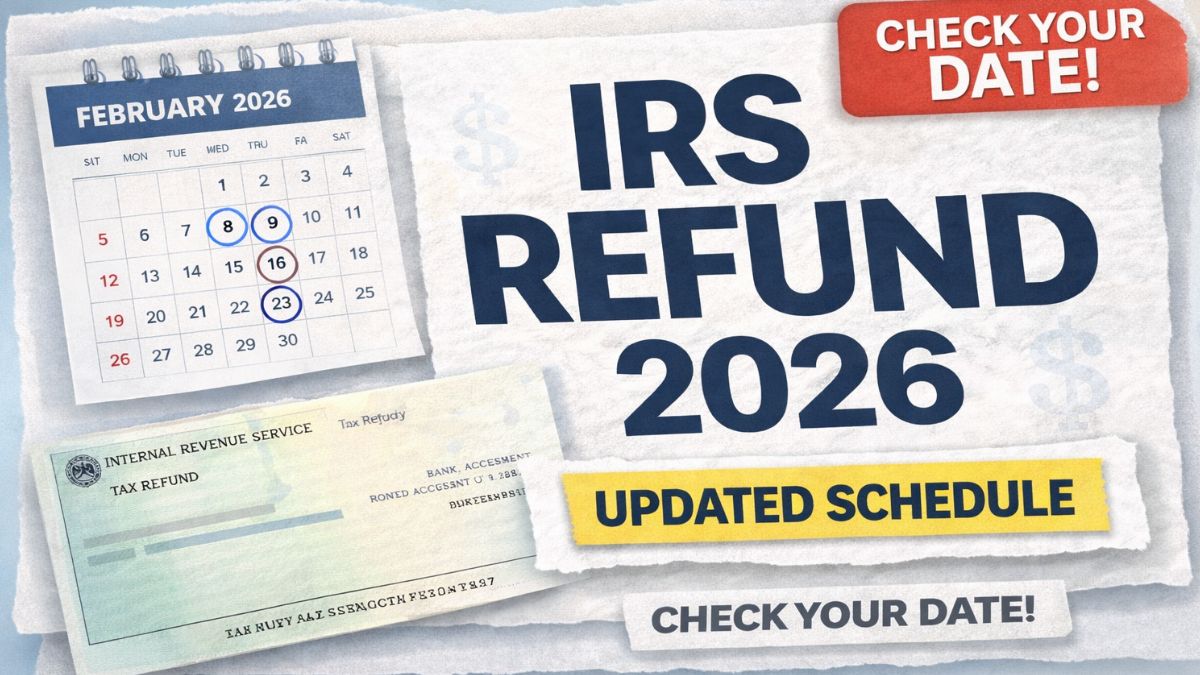
Payments are expected to be distributed in batches throughout February 2026. Direct deposits often arrive earlier in the month, while mailed checks may take additional time. If your payment has not arrived within two weeks of the expected date, contact the issuing agency directly using official contact information.

If a mailed check is lost or stolen, you can request a payment trace. This process may involve identity verification and can take several weeks. Keeping records of your communication and any confirmation numbers will make the process smoother.
Tax Considerations and Record Keeping
Some supplemental federal payments may be taxable depending on the program and your overall income. It is wise to keep any official notices or payment statements for future tax preparation. If unsure about reporting requirements, consult official tax guidance or a qualified professional.

Disclaimer: This article is for informational purposes only and does not provide financial, legal, or tax advice. Eligibility rules, payment methods, and timelines may vary based on official government decisions. Readers should confirm details through official agency websites or contact the appropriate federal office for accurate and updated information.