In early 2026, many Americans are paying close attention to a proposed $2,000 direct deposit program expected to begin on February 9, 2026. With the cost of rent, food, utilities, and healthcare still placing pressure on household budgets, financial assistance has become a major topic of discussion. The program is described as a targeted relief effort designed to deliver funds quickly using a fully digital payment system.
The purpose of this initiative is to provide short-term financial support in a fast and secure manner. Unlike older programs that depended on mailed paper checks, this plan focuses entirely on electronic transfers. By using digital verification tools and automated processing systems, the program aims to reduce paperwork and limit processing delays. Eligible recipients would receive funds directly in their bank accounts, making the process more efficient and reliable.
Eligibility for the $2,000 payment is expected to depend on income level, residency status, and compliance with federal guidelines. Income verification would generally rely on recent tax returns or other approved government records. Additional attention may be given to seniors, individuals with disabilities, and lower-income households to ensure fair access and quicker approval for those who may need support most urgently.
यह भी पढ़े:
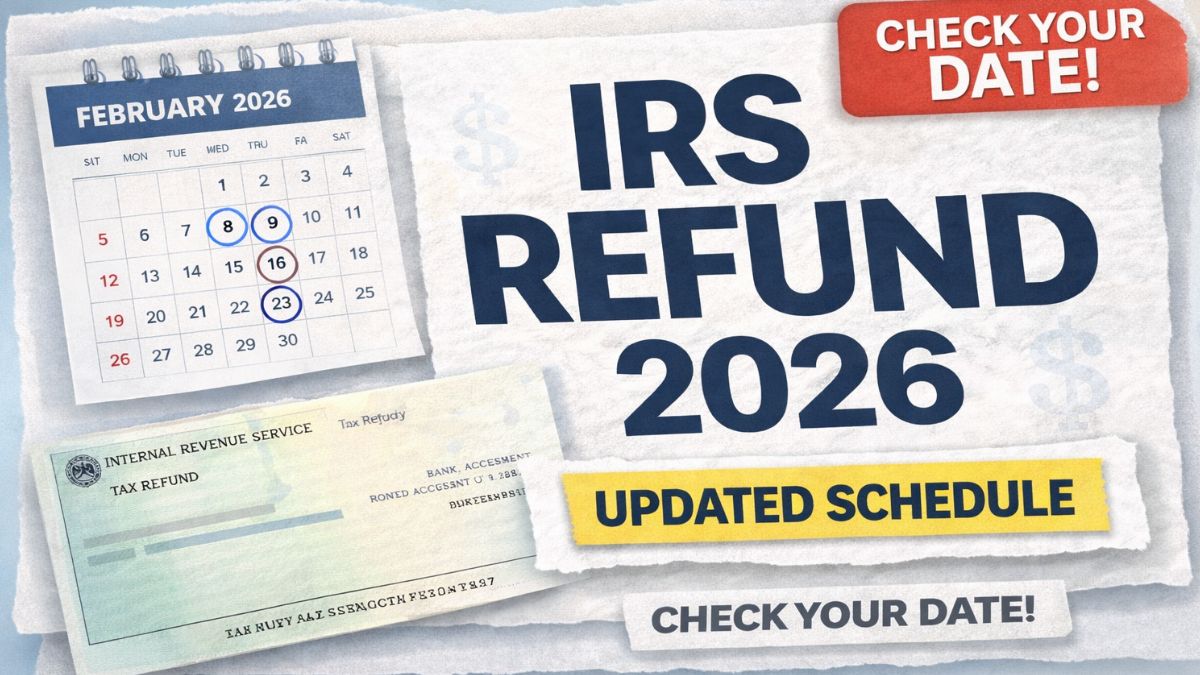
 How Fast Is the IRS Paying 2026 Tax Refunds? Timeline and Tracking Guide | IRS Refund 2026
The distribution schedule is structured in phases to maintain order and security. Beginning February 1, 2026, eligible individuals may review and update their banking information if necessary. Direct deposits are scheduled to start on February 9, 2026, for those whose records are already verified. February 15 serves as the deadline to update bank details, while February 20 is expected to be the final date for completing verification steps. Missing these deadlines could result in payment delays.
All payments are planned to be issued through direct deposit only, with no paper checks included in this program. Once eligibility is confirmed, the funds will be electronically transferred to the registered bank account of the recipient. Confirmation notices are expected to be sent after processing. Accurate and active banking information is essential to avoid complications.
To protect the program, strict security measures are in place. Each qualified person or household would receive only one payment. Deposits must go to accounts registered in the beneficiary’s name, and fraudulent claims could lead to penalties. Taking early action, reviewing personal information, and completing verification on time can help ensure smooth processing.

Disclaimer: This article is for informational purposes only and does not provide legal, financial, or tax advice. Program details, eligibility rules, and timelines may change based on official government decisions. Readers should rely on verified federal announcements for the most accurate and current information.